Exercise Snacking: Can Short Bursts of Movement Improve Your Health?
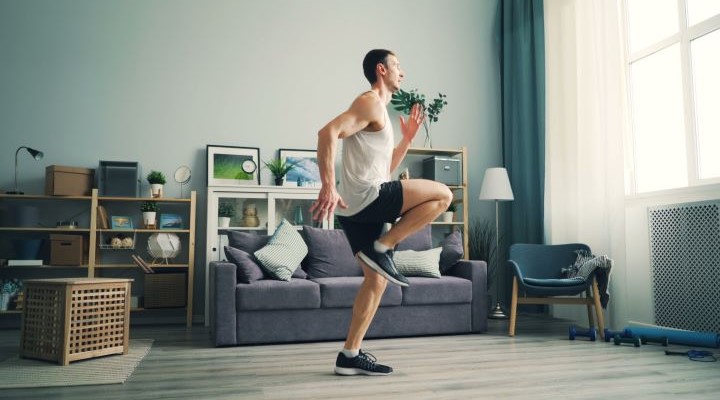
Image description: Man exercising in a tank top
Finding time to exercise can sometimes feel harder than the workout itself. Between work, family responsibilities, errands, and everything else competing for your attention, setting aside an uninterrupted hour for the gym isn’t always easy.
But what if physical activity did not always require a full workout?
That is the idea behind exercise snacking, an approach that breaks movement into short sessions throughout the day.
What Is Exercise Snacking?
Despite the name, exercise snacking has nothing to do with food. Think of it as taking small “bites” of short bursts of exercise instead of completing the whole routine at once.
An exercise snack could last a few minutes or even less. You might walk briskly around the block before starting work, perform bodyweight exercises while waiting for dinner to cook, or climb the stairs instead of taking the elevator.
There is no single activity that qualifies as an exercise snack. The main idea is to add short workouts or periods of purposeful movement throughout your day.
Why Short Workouts Can Be Easier to Maintain
One of the biggest barriers to regular exercise is the belief that a workout needs to be long to count. If you think you need an hour available, a busy schedule can easily become an excuse to do nothing.
Short workouts, on the other hand, change that mindset. Finding five minutes is usually much easier than finding an hour. You could do some squats and stretches while taking a break. The best part is that you don’t even have to change clothes, travel to a gym, or rearrange your entire day.
Breaking Up Long Periods of Sitting
Modern life involves a lot of sitting. Many people sit while commuting, working, eating, watching television, and relaxing at the end of the day. It is surprisingly easy to spend several hours in the same position without realizing how much time has passed.
Movement breaks can interrupt those long stretches of inactivity. If you work at a desk, try standing up and moving around periodically. Walk to another room, climb a staircase, stretch your hips and shoulders, or complete a few bodyweight movements. Even a short break gives you an opportunity to change position and move muscles that have been relatively inactive.
What Does an Exercise Snack Look Like?
One of the best things about exercise snacking is that you can adapt it to your fitness level, environment, and schedule.
A simple exercise snack at home can include one minute of squats, one minute of marching in place, one minute of wall push-ups, and a couple of minutes of walking. At work, you could take a brisk walk through the building or climb several flights of stairs. If you are outside, walking quickly around the block can become a convenient mini workout.
Exercise Snacks Add Up
A five-minute walk may not feel significant when you compare it with a 45-minute gym session. But imagine taking a five-minute walk in the morning, climbing stairs for a few minutes during the workday, walking for ten minutes after lunch, and doing another five-minute movement session in the evening. You have now added a meaningful amount of daily physical activity without needing one large block of free time.
It’s especially helpful on days when your normal workout simply is not going to happen. Exercise snacks do not have to replace traditional workouts either. If you already exercise regularly, small bursts of movement can complement your existing routine by helping you stay active between sessions.
Make Everyday Activities More Active
Not every exercise snack needs to look like formal exercise. You can create more movement simply by changing how you approach everyday tasks.
Take the stairs when it makes sense. Walk while talking on the phone. Park a little farther from the entrance. Carry one bag of groceries inside at a time. Play outside with your children. Walk around while waiting for an appointment instead of immediately sitting down.
These choices will help you make an active lifestyle feel less dependent on scheduled workouts.
Create Your Own Movement Triggers
One of the simplest ways to remember your exercise snacks is to connect them to things you already do.
After brushing your teeth in the morning, you could spend two minutes stretching. After finishing a work call, stand up and walk around. After lunch, take a short walk. While waiting for coffee to brew, perform a few squats or calf raises.
You can even set a timer if you tend to lose track of time while working. When it goes off, stand up for a few minutes and move.
Small Bursts Can Be Part of a Bigger Fitness Routine
There is no need to choose between exercise snacks and traditional workouts. Both have a place in an active lifestyle. Some days you may have time for a full strength session, other days, your schedule may only allow several small periods of activity.
What’s important is avoiding the all-or-nothing mindset that says exercise only counts when you complete a full workout. Movement can take many forms, and something is more useful than nothing.
If you are ready to find more practical ways to stay active, the National Wellness & Fitness Association offers resources that can help you turn small opportunities for movement into habits that keep you active, consistent, and moving toward your goals.