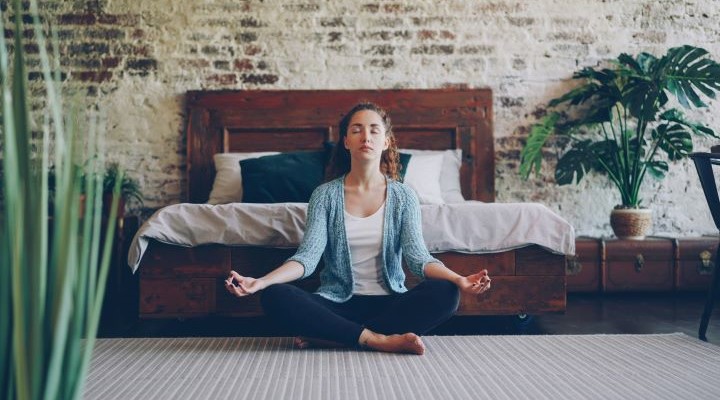
The Anti-Stress Toolkit: Practices That Rewire Your Nervous System for Calm
Stress often shows up quietly. It settles into the body long before the mind labels it. A tight jaw during simple conversations. A racing pulse while sitting still. A sense of alertness that never fully fades, even during rest. These reactions are not signs of weakness or poor coping. They are signals from a nervous system that has spent too long protecting itself.
Most people try to manage stress by changing their thoughts or pushing through discomfort. While mindset matters, the nervous system responds first to physical cues. It listens to breath, posture, sensory input, and movement before it responds to logic. This is why effective stress relief techniques focus on the body as much as the mind. When the body feels safe, the mind follows.
This article explores practical ways to calm the nervous system using physiological methods. These are tools that help the body release tension before stress becomes overwhelming. Each section explains how these practices work and why they support steadier emotions and clearer thinking over time.
How Stress Alters the Nervous System Over Time
The nervous system constantly scans for risk. When it detects pressure, heart rate increases, breathing becomes shallow, and muscles tighten. These reactions prepare the body for action. In short bursts, this response is useful. Problems begin when stress becomes routine.
With repeated activation, the nervous system starts to experience strain. Cortisol stays elevated. Sleep becomes lighter. Digestion slows. Emotional responses sharpen. This shift often happens gradually, which makes it easy to miss. Many people assume this state is normal adulthood.
Understanding this pattern helps explain why surface-level fixes fall short. True stress-relief techniques work by changing how the nervous system interprets safety signals. They don’t eliminate stressors. They allow the body to respond without remaining locked in tension.
Breathing Patterns That Calm the Stress Response
Breathing has a direct line to the nervous system. Short breaths signal urgency. Slow breaths suggest safety. This relationship explains why breathing practices are among the most reliable stress relief techniques available.
Diaphragmatic breathing engages the lower lungs and stimulates the vagus nerve. This nerve helps regulate heart rate and cortisol release. When exhalation slows, the body begins to relax on its own. A steady pattern where the exhale lasts longer than the inhale encourages this response.
Practiced regularly, this type of breathing improves emotional control. People often notice they recover faster from pressure and feel less reactive during daily tasks. The effect builds through repetition rather than intensity.
Sensory Grounding and Nervous System Stability
Stress pulls attention forward. The mind focuses on what might happen next. Grounding practices shift attention back into the body and present environment. This shift helps regulate the nervous system and supports consistent stress relief techniques.
Physical sensations provide clear signals of safety. Feeling feet against the floor. Noticing temperature or texture. Gently pressing hands together. These sensations activate sensory pathways that calm threat detection centers in the brain.
Grounding is invaluable during moments of mental overload. It requires no special setting and can be used quietly at any time. Over time, these practices help the nervous system return to baseline more easily.
Mindful Pauses That Prevent Emotional Escalation
Mindfulness does not require long sessions or silence. It begins with noticing internal signals before they build into stronger reactions. Brief mindful pauses serve as an early intervention and support long-term stress-relief techniques.
Pausing for a few breaths before responding to a message or decision creates space. That space reduces impulsive reactions. Physiologically, mindfulness lowers activity in brain regions linked to threat and increases awareness of bodily cues.
These small moments add up. They reduce cumulative stress and help maintain emotional balance across the day. The nervous system benefits from frequent reminders that it does not need to stay alert at all times.
Gentle Movement and Tension Release
Stress often becomes stored in the body. Muscles tighten without conscious effort. Gentle movement helps release this tension while supporting nervous system regulation. This approach differs from high-intensity exercise, which can increase stress signals when the body already feels overloaded.
Slow stretching, relaxed walking, and easy mobility movements improve circulation and sensory feedback. These actions tell the nervous system that movement is safe and controlled. As stress relief techniques, they help prevent physical tension from reinforcing emotional strain.
Consistency matters more than duration. Short, regular sessions support steadier energy and improved comfort during daily activities.
Cortisol Balance and Daily Recovery
Cortisol influences alertness, energy, and focus. When levels remain high, the body struggles to recover. Sleep quality declines. Mood becomes unstable. Immune function weakens.
Calming practices reduce cortisol indirectly by activating the parasympathetic nervous system. This shift allows recovery processes to resume. Effective stress-relief techniques work best when practiced daily, even for brief periods.
Regular signals of safety teach the nervous system that it does not need to stay on guard. Over time, cortisol rhythms stabilize, supporting clearer thinking and emotional steadiness.
Building a Personal Toolkit That Fits Real Life
A stress toolkit works only if it feels practical. The most effective stress relief techniques are the ones people return to consistently. This requires choosing methods that fit personal routines and preferences.
Some individuals respond best to breathing practices. Others benefit more from movement or grounding. Paying attention to timing also helps. Using calming tools before stress peaks prevents escalation.
As these practices become familiar, confidence grows. Stress feels less unpredictable. The nervous system responds with greater flexibility. This adaptability supports long-term emotional resilience.
Calm as a Skill That Can Be Relearned
Calm is not passive. It is a skill shaped through repetition. Each time the nervous system experiences safety, it adjusts expectations. Reactions soften. Recovery speeds up. Emotional clarity improves.
These changes reflect biological learning. The body responds more to consistent cues than to intention alone. By using proven stress relief techniques, individuals support both mental and physical well-being.
For readers interested in expanding their understanding of emotional balance and nervous system health, the National Wellness and Fitness Association offers educational resources focused on calm, balance, and healthier living.