The Digital Body: How Technology Is Changing the Way We Train and Heal
Fitness is shifting in real time. Technology has become a workout partner, a coach, and in some ways, a mirror reflecting what is happening within us. From AI-powered training apps to recovery wearables and even virtual fitness spaces, the concept of the “digital body” is now part of everyday health.
This blog explores how technology is shaping training and recovery, and how to use fitness gadgets without letting them control you.
Training with AI Fitness Coaching
AI coaching is not just a buzzword anymore. It is a practical tool people use every day, whether in a strength training app, a guided yoga platform, or an endurance tracker that adapts based on your pace. Unlike one-size-fits-all plans, AI systems can use your past workouts, rest days, and even sleep data to create something closer to a tailored program.
For example, if you miss a run, the app may adjust the next day’s intensity to prevent burnout. That is a big change from traditional templates, where you might push too hard, too soon. Many AI workout coaching programs also include built-in form analysis through video, helping reduce injuries while improving efficiency.
Still, AI lacks human intuition. It cannot feel your mood or notice subtle cues like fatigue in your posture. That is why many people find it most effective when used as a complement to, not a replacement for, personal trainers or their own self-awareness.
Recovery in the Age of Wearables
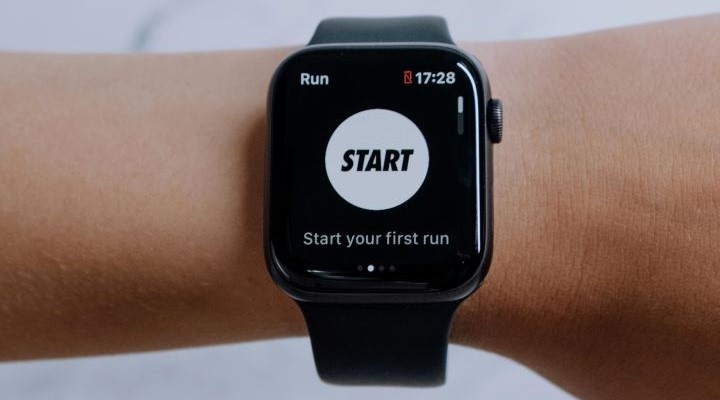
Wearables started as simple step counters. Now they measure heart rate variability, oxygen saturation, sleep stages, and stress levels. This shift has been enormous for recovery. Knowing when to push harder or when to rest is something athletes used to guess at. Now devices give metrics that back up those choices.
Take sleep tracking. Instead of just telling you how many hours you slept, advanced wearables show sleep quality, how much time you spent in REM, and how ready your body is for the next workout. For anyone juggling work, kids, and training, that feedback can prevent overtraining and support long-term health.
However, there is a catch. Some people find themselves relying too much on recovery tracking devices, letting the numbers dictate their day. If your watch says you had poor sleep, you might feel tired even if you actually feel fine. The trick is to use data as guidance, not gospel.
Virtual Wellness: Beyond the Gym Walls
Virtual fitness took off during the pandemic, but it is not slowing down. Online platforms now offer everything from live group classes to fully immersive VR environments where you can box, row, or even dance with avatars. This makes fitness more accessible for people who do not have a gym nearby or who prefer the comfort of their living room.
On-demand virtual classes also remove barriers like time and travel. If you only have 20 minutes before work, you can still log in for a focused HIIT session. The social element has also evolved. Chat features, leaderboards, and virtual accountability groups keep motivation alive.
Of course, virtual fitness has limits. No headset or screen can fully replicate the energy of being in a gym surrounded by others sweating through the same workout. Still, for many, it is a flexible option that supports consistency. And when combined with in-person training, it creates balance.
Where Tech Meets Everyday Life
For most people, tech in fitness is less about peak athletic performance and more about making health doable. Parents track steps while pushing strollers. Nurses finishing night shifts rely on guided breathing apps. Entrepreneurs squeeze in workouts through VR platforms before meetings. The point is not to live in a lab of data but to use these tools in a way that blends naturally with daily routines.
Here are a few practical ways to bring digital tools into real life without overwhelm:
- Set boundaries with wearables. Use them as checks, not as strict orders.
- Rotate between digital and analog workouts. For example, follow an AI plan during the week, then go on a tech-free hike on the weekend.
- Focus on one key metric. Instead of tracking ten things at once, prioritize sleep or heart rate recovery.
- Use tech to remove barriers. If travel keeps you from classes, virtual platforms can fill the gap.
This kind of integration makes the digital body less about gadgets and more about a balanced relationship between information and intuition.
Potential Pitfalls of the Digital Body
For all the advantages, technology also creates challenges. Too much focus on data can lead to anxiety, where every poor sleep score or low step count feels like failure. There is also the risk of ignoring personal feedback from your body, relying only on devices to decide if you are tired, strong, or stressed.
Another concern is accessibility. Not everyone can afford high-end wearables or premium virtual classes. That creates a gap where those with resources get personalized insights, while others rely on more basic tools. Being mindful of this helps ensure we do not confuse “having all the data” with being healthier overall.
Finally, there is the issue of distraction. If you spend more time analyzing graphs on your phone than moving your body, the tech has flipped from being a support system to being a barrier.
The Future of Training and Healing
The concept of the AI workout coaching program is still evolving. Future systems may combine physical cues with emotional data, helping coaches and individuals better understand both performance and motivation. Similarly, recovery tracking devices may soon integrate with health care, giving doctors a real-time picture of lifestyle habits.
And virtual wellness is expected to expand into whole-body systems. Imagine VR sessions paired with real-time biometric monitoring, adjusting intensity based on heart rate or stress. This blend of immersive experience and physiological insight could make workouts both engaging and precise.
Technology is unlikely to replace the basics: moving your body, eating well, and resting. However, it will continue to shape how we do those things, offering tools that make health more tailored and accessible.
A Word from NWFA
At the National Wellness and Fitness Association (NWFA), we believe wellness is about more than just numbers on a screen. We provide resources that help members use technology wisely, whether exploring AI workout coaching programs, checking in with recovery tracking devices, or trying virtual wellness platforms. Our mission is to make health and fitness approachable, sustainable, and enjoyable.
Visit us to learn how NWFA supports your journey!