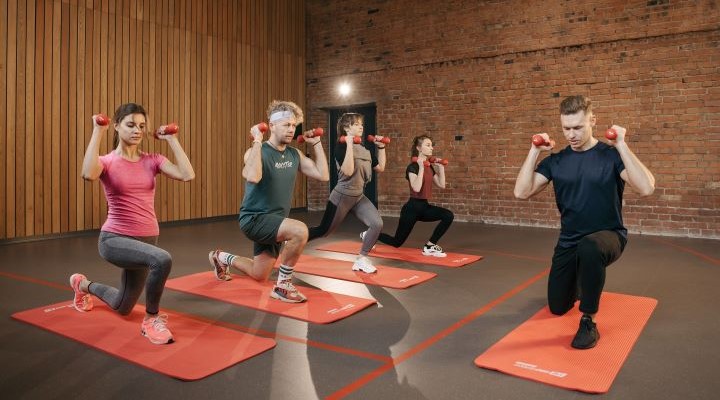
The Power of Moving Together: Why Community Fitness Works?
Exercise is often seen as an individual pursuit, focused on personal goals and self-discipline. However, shared experiences can transform the way people approach physical activity, making it more engaging and sustainable.
Participating in group fitness introduces a sense of connection, accountability, and motivation that is difficult to replicate alone. These social dynamics can significantly influence both enjoyment and long-term adherence.
This blog explores why collective movement is effective and outlines how community-based approaches can improve overall fitness outcomes.
The Psychology Behind Group Exercise
Human behavior is strongly influenced by social environments, and exercise is no exception. When you engage in physical activity alongside others, your motivation, effort, and consistency are shaped not only by personal goals but also by the collective energy of the group. This psychological dynamic is one of the key reasons community-based training environments are so effective.
Social influence plays a significant role in motivation. When you observe others demonstrating commitment and discipline, you are more likely to mirror those behaviors. Attending a morning class where participants consistently show up on time can reinforce your own sense of responsibility. Over time, this shared behavioral standard becomes a motivating force that encourages you to maintain consistency even on low-energy days.
Behavioral reinforcement through shared activity further strengthens this effect. When you complete a workout alongside others, the experience itself becomes more rewarding. Positive reinforcement from peers, such as encouragement, recognition, or simple acknowledgment, creates a feedback loop that reinforces continued participation. This dynamic makes exercise feel less like an obligation and more like a shared achievement.
Emotional benefits also play a crucial role. Exercising with others can reduce feelings of isolation and increase enjoyment. Participating in a group class after a stressful day can help elevate mood through both physical activity and social interaction. As a result, you begin to associate exercise with positive emotional experiences, which naturally enhances long-term adherence.
As these psychological factors interact, they form a strong foundation for sustained engagement. This foundation becomes even more powerful when combined with structured environments that enhance performance and accountability.
How Group Environments Improve Performance
Beyond psychological motivation, group settings directly influence physical performance and consistency. When you participate in structured environments, your behavior is guided by external expectations, shared goals, and consistent routines that help you stay on track.
Increased accountability is one of the most significant advantages. When others expect you to attend a session or participate in a program, you are less likely to skip it. Committing to a scheduled class creates a sense of obligation not only to yourself but also to the group. This external accountability reinforces discipline and reduces the likelihood of missed sessions.
Structured routines and guidance also contribute to improved performance. Group environments typically follow planned programs designed by instructors or coaches. This removes uncertainty from your training and ensures that each session has a clear purpose. For example, a strength training class may progressively increase intensity over time, allowing you to build strength safely and effectively without needing to design your own program.
Healthy competition and encouragement further enhance results. Observing others progress can inspire you to push beyond your perceived limits. At the same time, supportive encouragement from peers helps you maintain confidence during challenging exercises. This balance between competition and support creates an environment where you are consistently challenged but never discouraged.
As these performance-enhancing elements combine, they naturally lead to deeper social connections, which further strengthen long-term engagement.
The Social Benefits of Community Fitness Programs
One of the most impactful aspects of group exercises is the development of meaningful social connections. These relationships extend beyond fitness and contribute to a sense of belonging that enhances overall well-being.
Building connections and relationships is a natural outcome of shared effort. When you regularly attend sessions with the same individuals, familiarity develops. Over time, these interactions evolve into friendships built on mutual goals and shared experiences. For example, participants in a weekly training group often begin to support each other outside of class, reinforcing commitment and accountability.
Enhancing enjoyment and engagement is another key benefit. Exercise can sometimes feel repetitive or demanding when done alone. However, when you are part of a group, the experience becomes more dynamic and enjoyable. Conversations, shared challenges, and collective achievements transform workouts into social events rather than isolated tasks.
Reducing dropout rates is a well-documented outcome of social engagement in fitness. When you feel connected to a group, you are less likely to abandon your routine. Even during periods of low motivation, the presence of others encourages continued participation. This social commitment acts as a protective factor against inconsistency, ensuring that you remain engaged over time.
As these social benefits accumulate, they influence how you choose and engage with different fitness environments, making selection an important step in your journey.
Choosing the Right Community-Based Fitness Approach
Not all fitness environments are the same, and selecting the right one is essential for long-term success. Your preferences, lifestyle, and goals should guide your decision to ensure that you remain engaged and motivated.
Identifying personal preferences is the first step. You need to consider what type of environment feels most comfortable and enjoyable. Some individuals thrive in high-energy group classes, while others prefer smaller, more structured sessions. Understanding your comfort level helps you choose a setting where you are more likely to remain consistent.
Evaluating different program types is equally important. Community-based fitness can take many forms, including boot camps, yoga classes, dance sessions, and strength training groups. Each format offers different benefits. Yoga may emphasize mindfulness and flexibility, while boot camps focus on intensity and endurance. Choosing a program that aligns with your goals ensures better long-term engagement.
Accessibility and consistency factors also play a critical role. A program that is too far away or difficult to attend regularly may lead to inconsistency, regardless of its quality. Therefore, selecting a location and schedule that fit seamlessly into your routine is essential. This practical consideration often determines whether you can maintain long-term participation.
Once you find the right environment, the focus shifts toward sustaining engagement and maximizing long-term results through consistent participation.
Conclusion
Shared movement creates a stronger sense of purpose. Exercising with others can increase motivation and consistency. It also adds structure to regular physical activity.
Social connection enhances engagement. Group fitness encourages accountability and improves adherence over time. This approach supports both physical and mental well-being.
Explore National Wellness and Fitness to experience the benefits of collective movement. Discover various programs that foster connection and progress, while building a routine that thrives on shared energy and support.