Accountability in Action: How Fitness Communities Help People Stay Consistent
Maintaining consistency in fitness is one of the most common challenges individuals face, regardless of their experience level. While motivation may fluctuate, external support systems often determine whether goals are sustained or abandoned. Fitness communities provide structure, encouragement, and shared responsibility that reinforce long-term commitment.
Engaging with others who share similar goals can improve discipline and overall progress. This blog explores how collective environments influence behavior and highlights how community-driven support fosters consistency in fitness journeys.
Why Consistency Is a Common Challenge in Fitness
Consistency is widely recognized as the foundation of any successful fitness journey, yet it remains one of the most difficult aspects to maintain. While many individuals begin with strong motivation, sustaining that momentum over time requires more than initial enthusiasm. Understanding the barriers that disrupt routine is essential if you aim to build lasting habits.
Psychological and behavioral challenges often play a central role. Factors such as lack of confidence, fear of failure, and unrealistic expectations can gradually reduce motivation. For example, setting overly ambitious goals may lead to disappointment when results do not appear quickly, causing you to disengage from your routine. In addition, decision fatigue can make it harder to prioritize exercise after a long and demanding day.
Alongside these internal barriers, a lack of structure further complicates consistency. Without a clear plan, workouts may feel optional rather than essential. You may find yourself skipping sessions simply because there is no defined schedule or accountability mechanism. This absence of structure can lead to irregular participation and, ultimately, stalled progress.
Isolation also contributes significantly to inconsistency. When you pursue fitness goals alone, there is little external reinforcement to keep you on track. Without encouragement or feedback, it becomes easier to rationalize missed sessions. As a result, many individuals struggle to maintain long-term commitment without external engagement.
The Role of Social Support in Behavior Change
Addressing these challenges requires more than individual effort. Social environments can significantly influence behavior, particularly in the formation and maintenance of habits. By engaging with others, you introduce a layer of accountability and encouragement that strengthens your commitment.
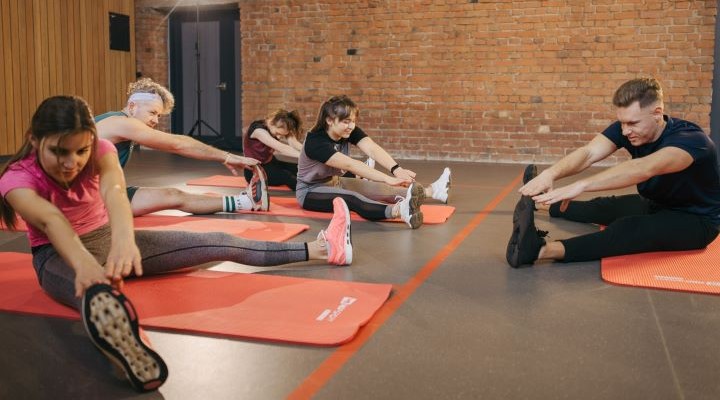
Group dynamics play a powerful role in shaping behavior. When you participate in a shared activity, you are more likely to align your actions with the group's expectations. For instance, attending a scheduled class with others creates a sense of obligation that encourages you to show up consistently. This collective structure helps transform exercise from a personal choice into a shared commitment.
Encouragement and shared responsibility further reinforce positive habits. When others acknowledge your efforts, it can boost motivation and confidence. At the same time, being part of a group means that your participation contributes to the overall dynamic. This sense of responsibility can be a strong motivator, particularly on days when your personal drive is low.
Building trust within a group is equally important. As you interact with others over time, you develop relationships that extend beyond the workout itself. These connections create a supportive environment where you feel comfortable sharing challenges and progress. Consequently, community support strengthens your ability to maintain consistent engagement.
How Fitness Communities Foster Commitment
Fitness communities provide a structured framework that addresses many of the barriers to consistency. By offering organized programs and shared objectives, they create an environment that supports sustained participation.
Structured programs are particularly effective in guiding behavior. When you follow a defined schedule, it reduces the need for daily decision-making. For example, enrolling in a weekly training program establishes clear expectations and helps you integrate exercise into your routine. This level of organization minimizes uncertainty and promotes regular attendance.
Shared fitness goals further enhance commitment. Working toward a common objective, such as completing a fitness challenge or improving overall performance, creates a sense of unity within the group. This shared purpose encourages you to stay engaged, as your progress contributes to the collective experience.
Peer motivation is another critical factor. Observing others who are committed to their routines can inspire you to maintain your own efforts. In this context, fitness accountability becomes a natural outcome of group participation. When others expect you to show up, it reinforces your sense of responsibility and encourages consistency.
Celebrating progress collectively adds a layer of motivation. Recognizing achievements helps maintain enthusiasm over time. For instance, acknowledging milestones such as improved endurance or consistent attendance reinforces positive behavior and encourages continued participation.
Different Types of Community-Based Fitness Models
Fitness communities can take many forms, each offering unique benefits depending on your preferences and lifestyle. Understanding these models allows you to choose an approach that aligns with your goals and circumstances.
In-person classes and group sessions provide a highly interactive environment. These settings offer direct guidance from instructors and immediate feedback on performance. For example, group training sessions in gyms or studios often include structured workouts that cater to various fitness levels. The physical presence of others creates a motivating atmosphere that encourages active participation.
Online communities and virtual support systems have become increasingly popular. These platforms allow you to connect with others regardless of location, making them accessible and flexible. Through discussion forums, live sessions, and progress-tracking tools, you can engage with a broader network of individuals who share your goals. This format is particularly beneficial if you have a busy schedule or limited access to in-person facilities.
Hybrid approaches combine the advantages of both in-person and virtual models. You may attend physical classes while also participating in an online group for additional support and accountability. This combination offers flexibility while maintaining a sense of connection. By integrating multiple forms of engagement, you can create a comprehensive support system that enhances workout consistency.
Strategies to Maximize Engagement and Results
Joining a fitness community provides a strong foundation for good health. Your level of engagement ultimately determines the results you achieve. Adopting specific strategies can help you make the most of these environments and sustain long-term progress.
Setting realistic goals is the first step. Clear, achievable objectives provide direction and help you measure progress effectively. For example, instead of aiming for rapid transformation, you may focus on attending a certain number of sessions each week. This approach reduces pressure and increases the likelihood of maintaining consistency over time.
Active participation is equally important. Engaging with other members, attending sessions regularly, and contributing to group discussions strengthen your connection to the community. This involvement not only enhances your experience but also reinforces your commitment to your goals.
Fitness communities provide a powerful framework for overcoming the challenges of inconsistency. By combining structure, social interaction, and shared purpose, they create an environment that supports continuous progress. When you actively engage with these communities, you enhance your ability to maintain focus, develop discipline, and achieve your fitness goals.
Conclusion
Consistency often depends on external support. Shared goals and encouragement can strengthen commitment. A structured environment makes it easier to stay on track.
Behavior improves when supported by others. Fitness communities provide motivation and reinforce discipline over time. This collective approach helps sustain long-term progress.
Visit National Wellness and Fitness to strengthen your routine. Find a supportive environment that encourages steady participation, while building consistency through shared effort and guidance.