How to Create a Home Sanctuary for Wellness and Movement
Life feels packed these days. Work deadlines, family commitments, and the constant pull of screens can leave us drained. However, imagine walking into a corner of your home where everything feels lighter. A space to destress and unwind after a long day. That’s the power of building a home sanctuary. You don’t need a spare room or a designer budget. You just need intention, a few adjustments, and a focus on creating an environment that supports both movement and serenity.
This blog will walk you through practical ways to shape a wellness-friendly space, blending real-world setups with strategies backed by research. We’ll explore how you can transform even a small area into a place that boosts fitness, lowers stress, and feels genuinely supportive!
Why Your Space Shapes Your Routine
Your environment matters more than you think. Studies from behavioral science show that the cues around us influence habits. If your yoga mat is buried in the closet, chances are you won’t use it. If your space is cluttered, stress rises before you even sit down to breathe.
You can draw similarities with a fridge: if the first thing you see when you open it is soda, you’ll likely drink it. However, if there’s a bottle of water and some fresh fruit, your brain leans toward better choices. The same applies to wellness routines at home.
That’s why home workout space ideas are not about fancy equipment but about creating visual and emotional cues that remind you: “This is where I recharge.”
Step One: Clear the Chaos
You can’t create calm on top of clutter. Start small. Pick a corner, maybe where you already drop your shoes or the end of your bedroom, and clear it out. Even five square feet can work if it’s dedicated.
Here’s a simple approach:
- Remove anything that makes the area feel stressful (laundry baskets, paperwork, kids’ toys).
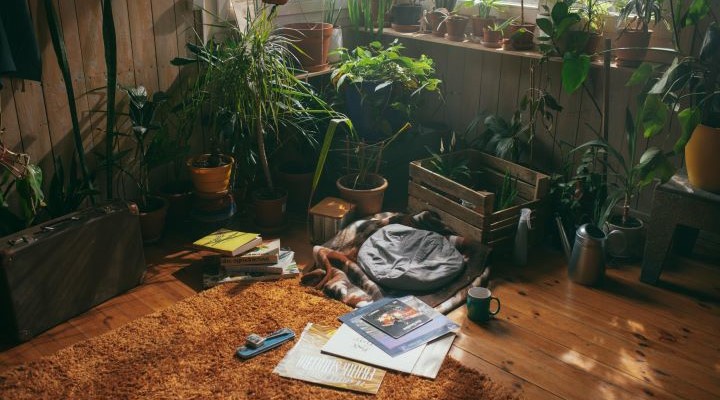
- Add one or two items that signal peace (a plant, a soft light, or a small rug).
- Keep your fitness basics like a mat, resistance bands, or light dumbbells, within arm’s reach.
This isn’t about making your house look like a spa. It’s about making a little “yes zone” where movement and mindfulness feel natural.
Lighting and Energy: Set the Tone
Ever notice how sitting under a harsh fluorescent light feels different from natural sunlight? Lighting changes energy. For your sanctuary, think soft and flexible.
- During the day: set up near a window if you can. Natural light boosts serotonin.
- At night: try warm lamps, candles, or salt lights to signal wind-down.
- If space is limited, string lights or a dimmer bulb can completely change the mood.
This is where wellness space at home becomes more than décor. Lighting literally impacts your nervous system, which then shapes how ready you feel to move, stretch, or rest.
Movement Without Machines
A sanctuary doesn’t need to look like a gym. You don’t need a treadmill in the corner. In fact, simple setups often work better because they invite you in without pressure.
Here are examples of things to include:
- A yoga mat that stays unrolled (visible means usable)
- Resistance bands hung on a hook where you can see them
- A chair or stool for balance work or seated breath practice
- A speaker or playlist for energizing workouts or calming soundscapes
This way, your sanctuary is flexible. It can hold a 10-minute strength burst, a half-hour dance session, or a few quiet breaths before bed. The key is accessibility.
Design for Flow: Mind Meets Body
One of the most powerful things you can do is create a space that encourages both movement and mental reset. That’s what makes home wellness design tips so practical. They’re about balance, not extremes.
- Add calming elements (plants, artwork, or calming colors).
- Mix in energizing cues (a mirror for posture checks, a motivational quote on the wall).
- Keep it personalized. If incense feels grounding, add it. If music drives you, anchor the space with good speakers.
Your sanctuary should feel like a Pinterest board that reflects you.
Small Wins Matter
Let’s be honest. Most people don’t live in giant homes with dedicated wellness rooms. Many of us live in apartments, share space with family, or fight for quiet corners. That’s why the best sanctuaries often look ordinary.
Think about:
- A mom who uses the side of her bed for morning stretches before the kids wake up.
- A remote worker who clears the coffee table at night, turning the living room into a workout space.
- Someone in a studio apartment who uses noise-canceling headphones and a yoga mat to build a private zone in a shared setting.
Small wins build big results. You don’t need “perfect.” You just need “possible.”
As Bruce Lee once said, “The successful warrior is the average man, with laser-like focus.” That quote applies beautifully here.
A Word from NWFA
At the National Wellness and Fitness Association (NWFA), we believe movement and wellness start at home. Your sanctuary just needs to support you. That is why we share home workout space ideas to make training simple and effective, even in small areas.
We also provide resources and guidance on setting up a wellness space at home that boosts recovery and energy levels. With easy routines and smart home wellness design tips, our programs fit real lives, not just fitness trends.
Visit us today and explore how NWFA can support your journey!