Protein Beyond Muscle: Why It Matters for Mood, Metabolism, and Recovery
Protein is often discussed in fitness circles as the nutrient that builds and repairs muscle. While that role is important, the value of protein goes far beyond muscle alone. From mood support to metabolism and recovery, protein influences nearly every part of how your body functions. Understanding these benefits can help you make better choices about the foods you eat and how you fuel your life.
In this blog, we explore the benefits of protein for mental health, how protein supports mood, the impact of protein metabolism, and how protein supports recovery after physical stress. We also cover practical tips for getting the right amount of dietary protein every day.
What Protein Is and Why It Is Essential
Protein is one of the three macronutrients your body needs daily, along with carbohydrates and fats. Made of amino acids, protein helps build and repair cells, tissues, enzymes, hormones, and antibodies. Getting enough dietary protein supports overall health, including muscle maintenance, immune function, and metabolic processes.
According to Medical News Today, protein plays a key role in metabolism, helping the body use energy efficiently and maintain steady energy levels throughout the day.
Protein Benefits Start With How It Feels
While many people focus on protein for muscle, protein benefits also extend to mood and brain health. Amino acids from protein are needed to make neurotransmitters, which influence how you feel.
For example, tryptophan helps produce serotonin, a chemical linked to a calm and stable mood. Balanced protein meals support steady energy, reducing irritability and mental fatigue while improving focus and emotional stability.
How Protein Affects Energy and Metabolism
Most people know protein builds tissue, but it also affects energy and metabolism. Protein metabolism breaks down proteins into amino acids, which the body uses for energy, repair, and other chemical processes. Unlike carbs, protein digests slowly, providing longer-lasting energy.
Protein also influences metabolic rate. It has a higher thermic effect than carbohydrates or fats, so the body burns more calories during digestion and absorption.
While protein alone does not cause weight loss, high-protein meals support steadier metabolism. Combined with activity and whole foods, protein helps regulate weight and maintain consistent energy throughout the day.
Protein and Recovery After Stress
One of the main benefits of protein is its role in recovery. Exercise causes micro tears in muscles, and protein provides the amino acids needed to repair and strengthen tissue. Total daily protein intake is more important than timing, though post-workout protein supports faster rebuilding.
Protein also supports recovery from illness, surgery, and daily stress. Amino acids help immune cells, enzymes, and hormones function properly, aiding overall repair and reducing inflammation.
Higher dietary protein intake is linked to faster healing and stronger immune responses. People with adequate protein recover more quickly and maintain better overall health.
How to Get Enough Dietary Protein Every Day
Because protein is central to so many body systems, getting enough dietary protein is essential. Here are reliable sources of protein and how they contribute to daily needs:
- Eggs are a complete source of protein with about 6 grams per large egg. They contain all essential amino acids.
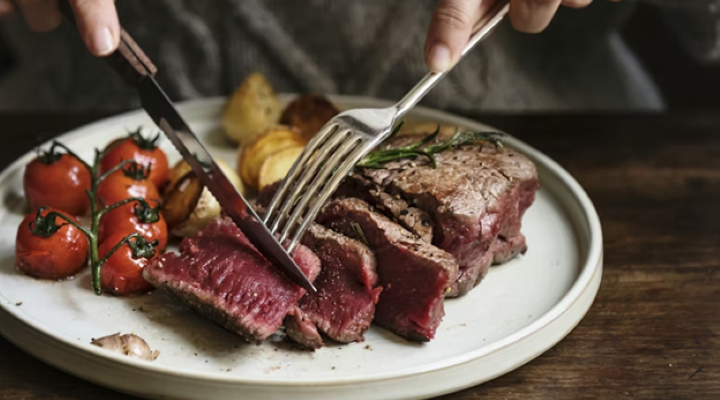
- Lean meats like chicken, beef, or turkey provide 20 to 30 grams per serving and are rich in iron and B vitamins.
- Fish and seafood, such as salmon, tuna, and shrimp, are high in protein and omega-3 fatty acids, which support brain health.
- Dairy products like yogurt, milk, and cheese are convenient sources of protein and calcium.
- Plant sources such as beans, lentils, tofu, and quinoa provide protein, fiber, and micronutrients.
Combining plant proteins in meals helps ensure you get all essential amino acids, even if you follow a vegetarian or plant-based diet.
Signs You May Need More Protein
Because protein influences many systems, low protein intake can show up in different ways. Common signals include:
- Feeling weak or easily fatigued
- Slower recovery after exercise or illness
- Hair loss or brittle nails
- Frequent hunger or cravings
- Mood changes or low emotional resilience
If several of these issues are present, it may be worth reviewing your protein intake and adjusting portions or sources to better meet your needs.
Balancing Protein With Other Nutrients
While protein is important, it works best as part of a balanced diet. Pairing protein with vegetables, fruits, and whole grains helps your body absorb nutrients better and supports overall wellness. For example, a meal of grilled chicken, brown rice, and steamed vegetables provides protein, fiber, vitamins, and minerals. This kind of balance supports energy, mood, and metabolic health simultaneously.
Hydration also affects how well your metabolism functions. Water supports circulation, digestion, and cellular communication. Making water a daily habit amplifies the protein benefits you get from good food choices.
How Much Protein You Really Need
Recommended protein amounts are not one-size-fits-all. Factors such as age, activity level, goals, and metabolic health affect how much protein your body needs. A general guideline is about 0.8 to 1 gram of protein per kilogram of body weight for adults. For example, someone weighing 70 kilograms would aim for 56-70 grams of protein per day. Athletes, older adults, and people under physical stress may require more.
Listening to your body and adjusting based on energy levels, hunger signals, and recovery can help you find the right personal protein target. Consulting a nutrition expert or diet professional can also make this process easier and more precise.
Final Thoughts
Protein matters far beyond muscle building. From supporting protein for mood to influencing protein metabolism and aiding protein recovery, it plays a vital role in overall wellness. Balanced meals with quality protein help improve physical strength, mental clarity, and energy throughout the day.
By making dietary protein a cornerstone of your eating habits, you fuel both body and mind in ways that boost resilience and performance. To explore more about balanced nutrition and total wellness, visit National Wellness and Fitness.
If you want structured guidance, personalized plans, or ongoing support in building healthy eating habits, consider learning more about membership options and take the next step toward better health and lasting energy.