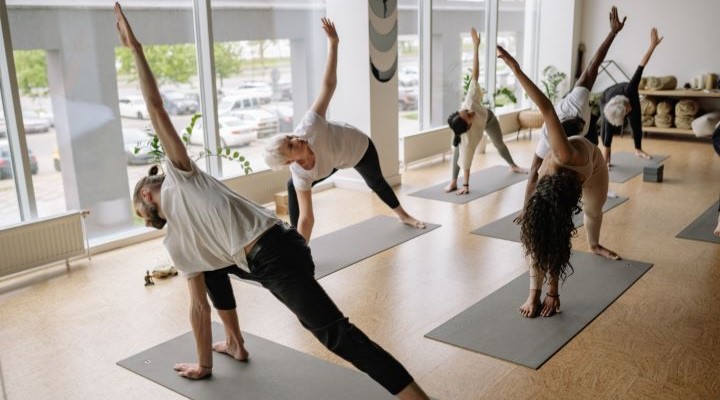
Social Wellness: The Health Benefits of Shared Movement
Health is often viewed as an individual pursuit, centered on personal goals and routines. However, growing evidence suggests that meaningful social connections play a critical role in sustaining both physical and mental well-being.
Shared experiences are becoming an essential component of modern fitness practices. Engaging in activities with others not only enhances enjoyment but also strengthens commitment and consistency.
This blog explains the concept of social wellness, focusing on how shared movement. It highlights the benefits of integrating social interaction into everyday fitness routines.
Social Wellness in Modern Health
Health today is no longer viewed only through the lens of individual effort. In fact, you are encouraged to recognize the importance of connection, belonging, and shared experiences in shaping overall well-being.
Social wellness refers to the ability to build meaningful relationships and engage positively with others, which directly influences both physical and mental health outcomes.
When integrated into daily life, social wellness enhances your ability to stay consistent with healthy behaviors. It complements physical fitness by making movement more engaging and sustainable, while also supporting mental health through reduced stress and improved emotional stability.
For example, individuals who engage in group-based activities often report higher satisfaction levels compared to those who exercise alone.
In today’s fast-paced and often isolated lifestyle, the relevance of social wellness has grown significantly. You may find that digital communication has replaced many in-person interactions, making structured group activities even more valuable. This shift highlights the importance of intentionally incorporating shared experiences into your fitness journey.
The Science Behind Shared Movement
Scientific research consistently supports the benefits of exercising in group settings. When you engage in physical activity with others, your body experiences both psychological and physiological improvements. These benefits extend beyond simple calorie burn or muscle development, influencing mood regulation, stress response, and overall emotional well-being.
One of the key mechanisms involved is the release of endorphins, often referred to as “feel-good” hormones. During shared physical activity, endorphin levels increase, creating a sense of satisfaction and emotional uplift. At the same time, group dynamics play a role in enhancing motivation and reducing perceived effort. You are more likely to push yourself when surrounded by others with similar goals.
Research in behavioral science also supports the advantages of social exercise. Studies show that individuals who participate in group-based fitness programs are more likely to maintain consistency over time. This is partly due to emotional reinforcement and partly due to structured environments that reduce decision fatigue. As a result, shared movement becomes a powerful tool for sustained health improvement.
Building Stronger Connections Through Fitness
Fitness activities provide a unique opportunity to build meaningful relationships. When you participate in group workouts, you naturally interact with others who share similar goals and challenges. Over time, these interactions can develop into strong social bonds that extend beyond the fitness environment.
A sense of belonging is one of the most important psychological benefits of group exercise. You are more likely to feel supported and understood when surrounded by individuals who are also working toward self-improvement. This emotional support system can help reduce feelings of isolation and increase overall motivation.
These connections also play a significant role in long-term engagement. When you feel accountable to a group, you are more likely to remain committed to your routine. Missing a session becomes less likely when you know others are expecting your participation. This social structure creates a natural form of accountability that strengthens consistency over time.
Types of Shared Movement Activities
Shared movement can take many forms, allowing you to choose activities that align with your interests and lifestyle. Group fitness classes such as yoga, aerobics, spinning, or strength training are among the most common options. These structured environments provide both guidance and social interaction, making them highly effective for consistency.
Sports and outdoor activities also offer excellent opportunities for community engagement. Whether you participate in football, basketball, running clubs, or hiking groups, these activities combine physical exertion with teamwork and collaboration. For example, joining a weekend running group can help you stay active while building social connections.
Community events such as marathons, charity walks, and wellness challenges further expand the concept of shared movement. These events often bring together large groups of individuals with a shared purpose, creating a strong sense of unity. Additionally, virtual fitness communities have emerged as a modern alternative, allowing you to connect and exercise with others regardless of location.
Accountability and Motivation in Group Settings
One of the most powerful advantages of group fitness is accountability. When you are part of a group, you are more likely to stay committed to your schedule. Peer encouragement plays a key role in maintaining consistency, as others help reinforce your commitment through shared participation.
Social commitment also acts as a strong motivational factor. You are less likely to skip a workout when you know your absence will be noticed. This subtle pressure often translates into positive behavior, encouraging you to stay disciplined even on low-motivation days. Over time, this structure helps build long-term consistency.
Real-life examples demonstrate this effect clearly.Individuals who join fitness classes often report higher attendance rates compared to solo exercisers. Similarly, workplace wellness programs that include group activities show improved participation and engagement. These examples highlight how social structures can significantly improve adherence to fitness routines.
Overcoming Barriers to Social Fitness
Despite its benefits, social fitness can present certain challenges. Common barriers include time constraints, lack of confidence, and limited access to suitable facilities. You may also feel hesitant to join group activities if you are new to fitness or unsure about your skill level.
However, these challenges can be addressed through practical solutions. Starting with beginner-friendly classes or low-pressure environments can help you build confidence gradually.
Flexible scheduling options, such as online classes or short group sessions, make it easier to integrate fitness into your routine.
Inclusivity is also an important factor in creating accessible fitness spaces. When environments are welcoming and supportive, you are more likely to participate without fear of judgment.
Encouraging diverse participation ensures that social wellness, shared movement, community fitness becomes a sustainable and inclusive approach to health for everyone.
Conclusion
Health outcomes improve when individuals feel connected and supported. Engaging in social wellness practices strengthens both physical and emotional well-being. Shared experiences make fitness more consistent and enjoyable.
Building connections through movement encourages accountability and long-term commitment. Even simple group activities can create a strong sense of belonging. Consistency becomes easier when supported by others.
Start integrating shared movement into your routine today. Explore National Wellness and Fitness to discover group-focused programs designed to support your progress. Take the first step toward a more connected fitness experience today.