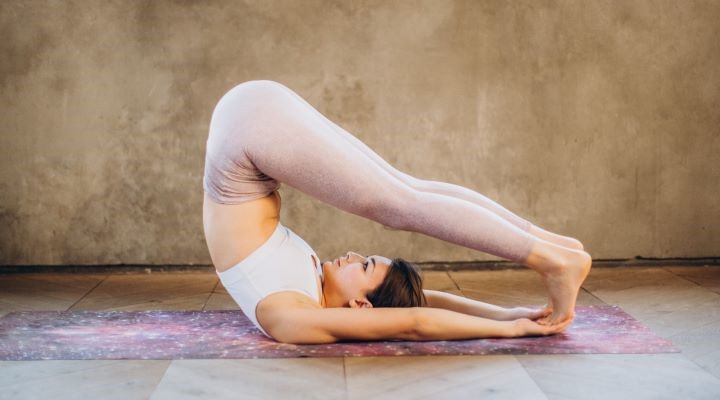
The Flexibility Factor: Why Stretching Supports the Whole Body
Your body keeps a quiet record of how you spend your day. The stiff neck after hours at a screen. The tight hips after a long drive. The calf that pulls when you hurry up the stairs.
Stretching is often treated like an extra step, saved for workouts or skipped when time is short. That misses many of the benefits of stretching. A steady habit can help the body move with less resistance, recover with fewer complaints, and carry daily stress with less tension.
What Stiffness Is Trying to Tell You
Stiffness is usually information. It may mean a muscle has stayed short too long, a joint has not moved enough, or the body is protecting an area after strain.
Sitting can tighten the front of the hips. Reaching forward at a desk can pull the shoulders in. Repeated workouts without enough recovery can leave muscles tense instead of ready.
One of the practical benefits of stretching is that it helps restore options. A body with options can bend, reach, rotate, and step without turning every task into effort.
Blood Flow Likes Motion
Muscles help move blood when they contract, relax, and lengthen. Stretching supports this process by changing pressure inside the muscle and around the joint.
Better circulation helps deliver oxygen and nutrients. It also helps clear byproducts that can build up after exercise or long periods of stillness. This is why a few minutes of movement can make a tight area feel warmer or less heavy.
Before Movement, Stretching Has a Job
Before exercise, the goal is preparation. Dynamic stretching uses controlled motion to wake up muscles and joints before activity. Arm circles, leg swings, hip circles, and walking lunges are common examples.
These movements raise body temperature, improve coordination, and prepare the nervous system for effort. They also make early exercise feel less abrupt.
A warm-up should not feel rushed. When dynamic stretching is controlled, the body enters activity with better timing and less stiffness.
After Effort, Stretching Helps the Body Settle
After exercise, the body needs a different signal. Static stretching gives muscles time to settle after work. A hamstring stretch, calf stretch, chest opener, or hip stretch can help the body shift out of effort mode.
This matters for muscle recovery because repair works best when the body has time to calm down. Stretching can support circulation, reduce leftover tension, and help you notice whether a muscle is tired, sore, or irritated.
A useful stretch should feel like mild tension, not pain. Sharp discomfort is a reason to stop.
Posture Needs Room
Posture is often discussed as if people should simply sit or stand straighter. That advice can feel useless when the body cannot hold the position comfortably.
Tight hip flexors can affect the pelvis. A tense chest can pull the shoulders forward. A stiff upper back can make the neck work harder than it should.
Stretching can support better posture by reducing the pull from shortened muscles. It also makes posture feel less like a command and more like a position the body can return to without strain.
Stress Settles Into the Body
Stress has a physical shape. Some people feel it in the jaw. Others carry it in the shoulders, stomach, lower back, or hips.
Gentle stretching can offer real stress relief because it gives the nervous system a different message. Slow breathing paired with easy movement tells the body that it does not need to stay braced.
Mobility Needs Control
Flexibility and mobility are related, but they are not the same. Flexibility is the ability of tissue to lengthen. Mobility is the ability to move a joint through its range of motion with control.
Mobility-focused stretching may include ankle rocks, shoulder rotations, spinal turns, and hip openers. These movements ask the joint to move while the body stays aware and steady.
The benefits of stretching show up in ordinary tasks. Reaching overhead, turning to look behind you, getting down to the floor, or walking on uneven ground all require range and control.
A Routine That Fits Real Life
A stretching routine does not need to be long. It needs to be easy enough to repeat. Three to six minutes can make a difference when done often.
Morning stretching can reduce sleep stiffness. Midday movement can break up sitting. Evening stretching can help the body quiet down. Choose the time you will actually use.
Start with the areas that speak up most often, such as the neck, chest, hips, calves, hamstrings, or back. Move slowly. Stay with each stretch long enough to feel the body respond.
A Simple Rule That Helps
Use movement before activity and stillness after activity. That means dynamic stretching before exercise and static stretching after exercise or during a calm part of the day.
Breathe normally. Avoid bouncing. Stop if the pain feels sharp, sudden, or nerve-like. Stretching should leave the body feeling clearer, not alarmed.
Over time, the benefits of stretching become easier to notice. Less pulling when you stand. Less stiffness after sitting. Better awareness during workouts. More ease in tasks that used to feel tight.
Keeping the Body Willing
Stretching is a way of checking in before discomfort becomes a pattern. It asks simple questions. Where are you holding tension? What feels limited today? What needs care?
For readers interested in improving mobility, recovery, and overall physical well-being, the National Wellness & Fitness Association offers educational resources that support healthy movement and lifelong wellness. The benefits of stretching can begin with a few quiet minutes and grow into better comfort throughout the day.