The Full Body Benefits of Better Breathing
Breathing is easy to overlook because it keeps happening while life keeps moving. You can answer emails, carry groceries, sit in traffic, and still breathe. That reliability makes breath feel ordinary, until the body starts sending small complaints.
A tight neck at noon. A tired feeling after simple tasks. A workout that feels harder than it should. A mind that keeps jumping ahead. These signs are often blamed on stress or sleep, but breath patterns may be part of the story.
The benefits of better breathing begin when breath stops being background noise. A better pattern can change how your body handles pressure, movement, focus, and rest.
When Breathing Starts Asking for Help
Shallow breathing often sits high in the chest. The shoulders lift a little. The neck tightens. The ribs barely move. Many people breathe this way during stress, screen time, long drives, or busy workdays.
The body can manage it for a while, but there is a cost. Muscles that were meant to assist with breathing start doing too much. That extra work can feed jaw tension, upper back stiffness, headaches, and fatigue.
One of the benefits of better breathing is that it gives those muscles a chance to release. When the lower ribs move and the belly softens slightly on the inhale, the body uses less effort for the same task.
Stress Changes the Breath First
Stress does not always arrive as panic. Sometimes it shows up as a breath held while reading a message. Sometimes it is a small inhale that never fully leaves. These habits can keep the body on alert after the moment has passed.
Paced breathing helps because it gives the nervous system a steady signal. A slow inhale and longer exhale can lower the sense of urgency. The problem may still be there, but the response can become clearer.
Try this during a tense moment. Inhale through the nose for four counts. Exhale for six. Repeat five times. If counting distracts you, simply make the exhale slower than the inhale.
The Diaphragm Changes the Workload
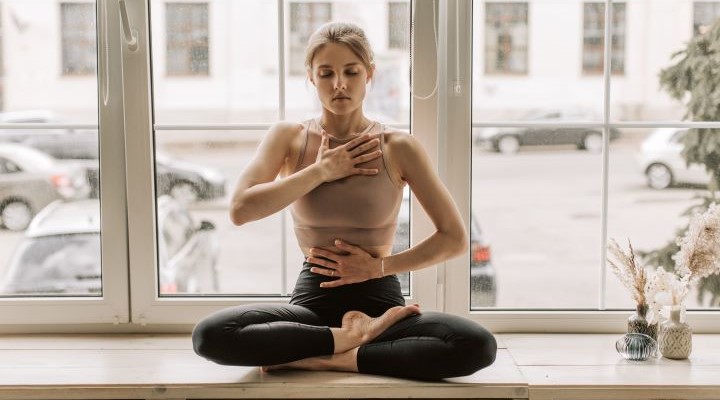
The diaphragm is the main breathing muscle, but many people barely feel it working. With diaphragmatic breathing, the lower ribs expand, and the abdomen moves gently as air enters. The chest does not have to force every inhale.
This can feel unfamiliar to people who brace their stomachs or lift their chests. Place one hand on the upper chest and one near the lower ribs. Breathe in without pushing. Notice which hand moves first.
The benefits of better breathing often start here. When the diaphragm moves well, breathing becomes less tense. The trunk can feel steadier. Recovery after effort may feel smoother.
The Nose Helps Control the Pace
Nasal breathing can slow the breath before you try to control it. The nose also filters, warms, and moistens incoming air during rest or light movement.
For everyday activity, the nose can act as a simple check. If you are walking and cannot breathe through your nose for a short stretch, you may be moving faster than your current comfort level.
During hard exercise, mouth breathing may be needed. During warm-ups, walks, stretching, and cooldowns, nasal breathing can help the body find a pace it can hold.
Posture Needs Room to Breathe
The breath needs space. When the upper back rounds and the ribs collapse toward the hips, the diaphragm has less room to move. Breathing may shift upward, and posture can feel harder to maintain.
Better posture does not require forcing the shoulders back. Sit with both feet on the floor. Let the ribs rest over the hips. Keep the jaw loose. Take three quiet breaths.
The benefits of better breathing include better support from inside the body. When the rib cage moves well, posture can feel less stiff and easier to hold.
Workouts Feel Different When Breath Has Rhythm
Breathing can change how effort feels. During strength training, holding the breath too often can create pressure and tension. During cardio, breathing too fast can make the body feel rushed before the muscles are tired.
A simple habit helps. Exhale during the hardest part of a lift. During steady cardio, find a repeatable rhythm. Between sets, use the first seconds of rest to settle your breathing.
Breath awareness gives better feedback during exercise. It shows when you are bracing, rushing, or losing control. That feedback can improve stamina.
Recovery Begins Before You Move On
After stress or exercise, the body needs a signal that the demand has changed. Many people finish a workout and move straight into the next task while still breathing quickly.
A longer exhale can help shift that state. Sit or stand still after exercise. Inhale through the nose. Exhale slowly through the mouth or nose. Let the shoulders drop.
This is one of the most useful benefits of better breathing. Recovery can begin in the first minute after effort ends.
Small Checks That Retrain the Pattern
Most breathing work begins with noticing. Breath awareness can happen while waiting for coffee, sitting at your desk, or standing outside your car before walking inside.
Ask one question. Where do I feel my breath most? If the answer is the neck or upper chest, soften the shoulders and send the next inhale lower into the ribs. If the breath feels held, start with the exhale.
Small checks like this help retrain the pattern. Practice diaphragmatic breathing before sleep. Use paced breathing before a hard conversation. Try nasal breathing on a walk. Keep it simple enough that you will repeat it.
A Closing Thought on Breath and the Body
Breath stays close to daily life. It changes with stress, movement, posture, focus, and recovery. When breathing becomes shallow or rushed, the body often carries the cost. When it becomes steadier, the body has more room to respond well.
The benefits of better breathing are practical. They can help people manage stress, support movement, improve stamina, and return to calm with less struggle.
For readers interested in improving stress management, recovery, and physical performance through better breathing habits, the National Wellness & Fitness Association offers wellness education and resources that support whole-body health.