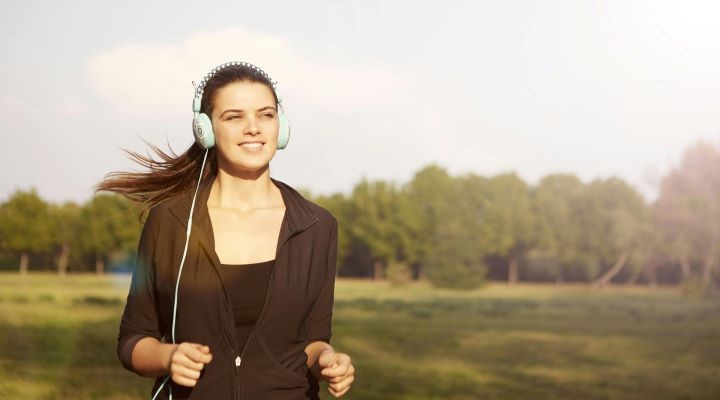
The Joy of Movement: Finding Fun and Flow in Your Fitness Routine
Exercise is often talked about as a duty, something you have to do to stay healthy, lose weight, or keep up with the doctor’s advice. However, what happens when moving your body actually becomes enjoyable? When it’s less about “should” and more about “want to”? That’s where joy and flow come into play. Finding fun fitness routines can change the way you approach wellness entirely. It shifts the narrative from punishment to self-care and from obligation to empowerment.
In this blog, we’ll explore how to bring joy back into movement, ways to make workouts feel natural instead of forced, and healthy lifestyle choices for keeping fitness consistent over time. Additionally, we’ll connect these ideas with practical tips around motivation and mindset.
Why Joy Matters in Fitness
It’s easy to think of exercise as a checklist item. Get thirty minutes in. Burn a set number of calories. Finish the workout video. However, joy changes the whole framework. When you actually look forward to moving, your brain associates exercise with reward, not sacrifice. That feeling makes you more likely to return the next day.
Researchers have shown that people who enjoy their workouts stick with them longer than those who exercise strictly for weight or health reasons. In other words, enjoyment is not a bonus; it’s the secret glue that holds your fitness journey together.
Mixing Up Your Routine
One way to add joy back into your routine is variety. Doing the same workout every single day can get boring quickly. Think of fitness like food. You wouldn’t eat the same meal every day forever, so why repeat the same routine endlessly?
- Try dance-based classes if music energizes you
- Explore outdoor hikes if you need fresh air and nature
- Add yoga on rest days for flexibility and calm
- Rotate strength and cardio sessions to keep your body guessing
When you switch things up, you get the double benefit of engaging new muscle groups and keeping your mind engaged. This is where fun fitness routines become experiences you look forward to.
Flow and the Mental Side of Movement
The concept of “flow” is often used in sports psychology. Flow happens when you’re fully absorbed in an activity, time seems to pass without you noticing, and the challenge is just right for your skill level. Think of runners who talk about the “runner’s high” or dancers who lose themselves in the music.
For regular people, finding flow could mean zoning out on a bike ride, feeling completely present in a yoga pose, or simply enjoying the rhythm of a long walk. This psychological state does more than boost enjoyment. It reduces stress, improves focus, and makes exercise a tool for mental well-being.
Making Fitness Personal
Not every activity fits every person. Some thrive in group workouts because the energy fuels them. Others prefer solo activities where they can go at their own pace. The trick is identifying what feels natural for you.
Ask yourself:
- Do I like being indoors or outdoors?
- Do I want structured classes or free-form movement?
- Does competition motivate me or stress me out?
- Am I looking for quiet focus or high-energy fun?
Building routines around personal preference helps create motivating workout plans that you actually want to follow. Without this personalization, fitness can feel like a grind.
Everyday Analogies That Work
Think about movement like brushing your teeth. You don’t do it for fun necessarily, but over time it becomes second nature. The difference is, fitness doesn’t have to feel like brushing your teeth; it can feel like hanging out with friends, going to a concert, or taking a scenic drive.
Here are examples of reframing:
- Running can feel like meditating on the move.
- Strength training can feel like a puzzle, solving how much weight and how many reps you can handle.
- Group classes can feel like a social outing with a side of sweat.
Once you find your analogy, fitness goes from being a task to an identity.
Small Wins Build Big Joy
Too often, people tie joy to big results like losing weight or hitting a new personal record, but joy actually comes from smaller wins that add up. Celebrate things like:
- Noticing better energy after work
- Sleeping more soundly
- Feeling stronger when carrying groceries
- Smiling because a workout felt fun, not forced
These small victories connect movement to daily life and reinforce that exercise is more than numbers.
What to Avoid
Just as joy can be cultivated, it can also be drained away if you’re not careful. A few common traps include:
- Forcing yourself into workouts you hate because they’re “popular”
- Overtraining to the point of injury or exhaustion
- Comparing your journey to others on social media
- Making fitness all about appearance instead of experience
Avoiding these pitfalls helps keep your connection to movement positive, sustainable, and enjoyable.
Practical Steps to Find Joy
Here are straightforward steps to bring fun and flow into your routine:
- Start with one activity you already enjoy, even if it’s just walking.
- Build consistency before intensity.
- Create playlists that excite you and set the tone.
- Track mood, not just progress.
- Pair fitness with something enjoyable, like a podcast or outdoor scenery.
By anchoring exercise to positive experiences, you transform it into something you’ll want to keep doing.
Joy and Long-Term Sustainability
The long-term success of any wellness journey doesn’t rest on willpower alone. It rests on whether you can maintain a routine for years, not just weeks. This is why joy is so vital. When fitness is fun, it’s not about discipline; it’s about preference. You’d rather move than not. That mindset shift sustains your body and brain health over decades.
Research supports this, too. People who exercise for enjoyment are twice as likely to stay active five years later compared to those who focus only on weight loss. It’s proof that joy creates endurance in ways punishment never can.
A Word from NWFA
At the National Wellness and Fitness Association (NWFA), we provide members with resources to make fitness, wellness, and healthy living approachable and enjoyable. From educational content to advocacy and member benefits, NWFA is committed to helping you build a stronger, healthier life.
If you’re looking to incorporate healthy lifestyle choices, visit us for fun fitness routines and motivating workout plans!