Wellness Rituals from Around the World: What We Can Learn from Global Health Cultures
Across the globe, cultures have created rituals that keep people healthy in body, mind, and spirit. These global wellness rituals are often simple, repeated practices passed down for generations. They remind us that health is about exercise or diet, as well as connection to community, nature, and daily rhythm.
Modern science is now beginning to validate what these traditions have long emphasized. From Ayurveda in India to cold-water plunges in Nordic countries, and from Japanese forest bathing to Mediterranean meals, the lessons are timeless. Exploring these traditions offers both perspective and practical strategies we can apply today. This article highlights examples of traditional health practices and cultural wellness traditions that continue to shape healthier lives worldwide.
Ayurveda: Balancing Body and Mind Through Daily Routines
Ayurveda, India’s ancient system of health, is one of the world’s oldest traditional health practices. Its core principle is balance between the body, mind, and environment. According to Ayurveda, every individual has a unique constitution, or dosha, which influences physical tendencies and emotional states.
Daily rituals, known as dinacharya, anchor this system. These may include tongue scraping, oil pulling, meditation, gentle yoga, and eating at consistent times. Food is prescribed not only for nutrition but also for its energetic properties. Herbs like turmeric and ashwagandha are staples for stress resilience and longevity.
Modern research highlights Ayurveda’s impact on digestion, sleep, and stress regulation. For many, even adopting small rituals, like starting the day with warm water and lemon or practicing mindful meals, can bring noticeable benefits. Ayurveda reminds us that consistency and intentional routines build the foundation for lasting health.
Nordic Cold Therapy: Resilience in Extreme Climates
In Nordic countries, wellness has long included the contrasting practices of sauna heat and icy plunges. This cultural wellness tradition is rooted in resilience and adaptation to extreme climates. Cold exposure, whether through winter swims or ice baths, is believed to strengthen circulation, sharpen mental focus, and improve recovery.
Science supports many of these claims. Cold therapy can reduce inflammation, support cardiovascular health, and stimulate mood-boosting neurotransmitters like dopamine. The hot-to-cold contrast of sauna followed by a plunge has been shown to relax muscles while invigorating energy systems.
Beyond physiology, this ritual is deeply social. Friends and families gather in saunas, turning health into community time. For modern readers, experimenting with a cool shower after exercise or alternating warm and cold water therapy offers a manageable entry into this centuries-old practice.
Japanese Forest Bathing: Shinrin-Yoku for Mental Calm
Japan introduced Shinrin-Yoku, or forest bathing, as a national health program in the 1980s. It encourages mindful immersion in nature, such as walking slowly and noticing scents, colors, and sounds. Unlike hiking for fitness, forest bathing focuses on presence and sensory awareness.
Research shows forest bathing lowers cortisol, reduces blood pressure, and improves immune response. Spending just two hours among trees has been linked with decreased anxiety and increased natural killer cell activity, which supports immune defense.
For people in cities, this practice is a reminder of the restorative power of nature. Even a walk in a local park or sitting under a tree with full attention can replicate parts of the effect. Shinrin-Yoku teaches us that slowing down in green spaces is medicine for both mental calm and physical vitality.
Mediterranean Rituals: Food, Family, and Longevity
The Mediterranean region is celebrated for its diet, which emphasizes vegetables, fruits, whole grains, olive oil, fish, and moderate wine. But beyond ingredients, wellness here comes from ritual. Meals are shared with family and friends, turning food into an experience of connection.
This tradition has been studied extensively in the “Blue Zones,” areas where people live longer and healthier lives. The combination of nutrient-rich food, physical activity woven into daily life, and strong social ties supports both heart health and emotional well-being.
Modern takeaways include prioritizing whole foods, slowing down at meals, and viewing eating as a communal act rather than a rushed necessity. The Mediterranean ritual reminds us that nourishment is as much about how we eat as what we eat.
African Movement and Rhythm: Wellness Through Community
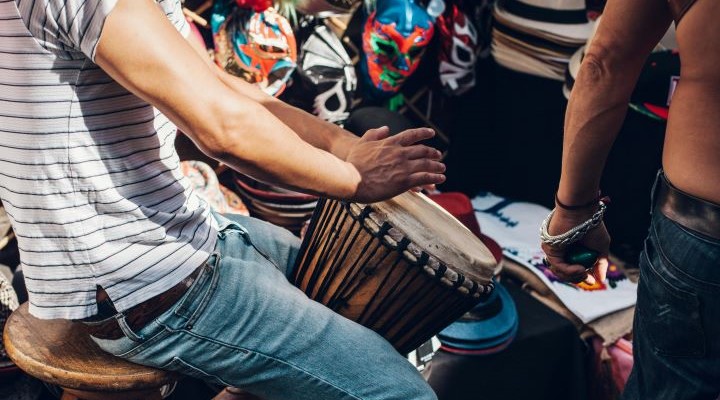
In many African cultures, dance and drumming are central to cultural wellness traditions. These activities serve as exercise, stress relief, and storytelling. Group movement in rhythm strengthens bonds within communities while offering powerful health benefits.
From a physiological perspective, dance improves cardiovascular endurance, flexibility, and coordination. The rhythmic patterns also activate the brain’s reward pathways, reducing stress and fostering joy. On a social level, dance provides belonging and resilience, especially during times of hardship.
Community drumming circles, widely practiced in African traditions, are now used globally for therapeutic purposes. They encourage expression, unity, and emotional release. Incorporating movement to music, even casually in the living room, can replicate these benefits and connect individuals to the deeper tradition of healing through rhythm.
Indigenous Practices: Healing Through Earth Connection
Across Indigenous cultures, health is inseparable from connection to the earth. Practices such as sweat lodges, herbal medicine, smudging, and ceremonies are woven into daily life. These rituals highlight reciprocity with nature and community, fostering both resilience and grounding.
Sweat lodges, for example, use heat and prayer in enclosed spaces to cleanse the body and mind. Herbal practices employ plants like sage or cedar for purification and healing. These approaches serve spiritual, physical, and emotional needs simultaneously.
While deeply cultural, the principle of reconnecting with the land is universal. Gardening, barefoot grounding, or practicing gratitude outdoors can reflect this wisdom in modern settings. Indigenous traditions emphasize that healing is not only about the self but also about relationships with the environment and community.
How to Bring Global Wellness Rituals Into Daily Life
You don’t need to live in Finland or Japan to benefit from these global wellness rituals. Small adaptations bring cultural wisdom into modern routines.
- Take mindful walks inspired by Japanese forest bathing.
- Alternate warm showers with brief cold rinses as a nod to Nordic therapy.
- Share slow meals with friends, Mediterranean-style.
- Add rhythmic dance breaks to reset energy.
- Use herbs like turmeric or sage to connect with traditional remedies.
Here’s a quick guide:
Quick Adaptations of Global Wellness Rituals for Modern Life
|
Tradition |
Simple Practice |
Modern Adaptation |
|
Ayurveda |
Morning routines |
Warm lemon water, gentle yoga |
|
Nordic Cold Therapy |
Sauna + plunge |
Warm shower, cool rinse |
|
Shinrin-Yoku |
Forest immersion |
Park walk with mindfulness |
|
Mediterranean Rituals |
Shared meals |
Weekly family dinner |
|
African Movement |
Group dance |
Join a dance class |
|
Indigenous Practices |
Grounding |
Gardening or a barefoot walk |
Conclusion | Building a Personal Wellness Toolkit Inspired by the World
The diversity of global wellness rituals shows that health is universal, yet expressed uniquely across cultures. From Ayurvedic routines to African rhythms, each practice offers tools to strengthen body, mind, and community.
These traditional health practices endure because they are practical and effective. They emphasize balance, connection, and presence, which are qualities modern wellness often overlooks. By experimenting with different cultural wellness traditions, individuals can create a personal toolkit that feels both meaningful and sustainable.
Looking to enrich your wellness routine with proven practices? The National Wellness and Fitness Association offers guidance, resources, and community to help you apply time-tested strategies to modern life. Visit www.nationalwellnessandfitness.com to learn more.