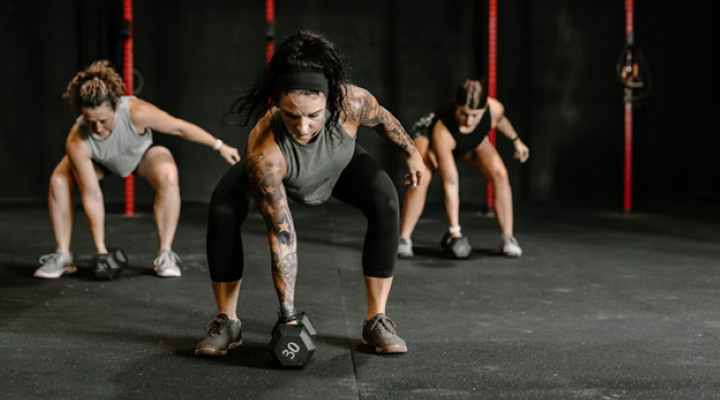
Real-Life Strength: Why Functional Fitness Is the Future of Training
Have you ever noticed how some people move effortlessly through their day, lifting groceries, climbing stairs, or carrying kids without breaking a sweat, while others struggle with even simple tasks? Recognizing these differences highlights how functional training can improve your daily movement and overall strength.
Functional fitness is all about training your body to handle real-life activities efficiently, safely, and with strength that lasts beyond the gym. Unlike traditional workouts that focus purely on isolated muscles, functional fitness emphasizes movement performance in daily life and helps develop real-life strength.
Research shows that functional fitness focused on real-world movements improves mobility, balance, and physical functioning, making daily tasks easier and safer.
Functional fitness prepares your body for daily challenges, helping you feel more confident and capable in everyday tasks like lifting or twisting.
What Functional Fitness Really Means
Functional fitness is not about looking good in the mirror or hitting a personal best on a single exercise. Instead, it’s about teaching your body to move well in real-world situations. Exercises are typically compound movements, meaning they involve multiple joints and muscle groups working together.
Benefits include:
- Improved coordination and balance
- Greater core stability
- Enhanced movement performance in sports, work, and daily life
- Increased real-life strength for lifting, bending, and twisting
By focusing on movements that matter in your day-to-day routine, functional fitness bridges the gap between the gym and real life.
Why Traditional Workouts Are Different
Many traditional gym programs isolate muscles. You might focus on bicep curls, leg extensions, or chest presses. While these can improve strength in a single muscle, they don’t always translate to better movement in daily life. Functional fitness, on the other hand, trains your body as an integrated system.
For example, a squat with a rotational twist not only strengthens your legs but also engages your core, stabilizes your spine, and mimics the action of picking up and turning with a heavy object. This is how functional training benefits your body beyond the gym.
Core Principles of Functional Fitness
Functional fitness relies on several guiding principles:
- Multi-joint movements: Exercises use more than one joint at a time, reflecting natural movement patterns.
- Core engagement: A strong core supports nearly every functional movement, from bending to lifting.
- Balance and stability: Workouts often include unilateral exercises to correct imbalances and improve control.
- Progressive overload: Strength and endurance are gradually increased while maintaining proper movement mechanics.
- Real-world application: Each exercise has a practical use in daily life or athletic performance.
By following these principles, functional training ensures that everyday fitness translates to better mobility, posture, and injury prevention.
Examples of Functional Exercises
Functional fitness workouts can include a wide variety of movements. Some common examples:
- Squats with rotation: Strengthens legs, core, and improves twisting motions.
- Lunges with reach: Enhances balance and hip stability.
- Push-pull circuits: Simulate pushing doors or pulling objects to train upper-body coordination.
- Kettlebell swings: Build explosive power and strengthen posterior chain muscles for lifting and bending.
- Plank variations: Develop core endurance for spinal support in real-life tasks.
These exercises combine strength, flexibility, and stability in one movement, helping develop real-life strength and functional capacity.
Why Functional Fitness Matters
Daily life requires more than isolated muscle strength. You need coordination, mobility, balance, and endurance. Functional fitness provides all of these in a single, structured approach.
Some advantages include:
- Improved posture and spinal alignment
- Reduced risk of common injuries
- Enhanced movement performance for work, sports, and recreational activities
- Increased confidence in handling physical tasks
Whether you are carrying groceries, climbing stairs, or playing with children, functional fitness makes these activities easier and safer.
Functional Fitness for Everyone
Functional fitness is adaptable to all ages and skill levels. Beginners can start with bodyweight exercises like squats, lunges, and planks. More advanced participants can add resistance bands, dumbbells, kettlebells, or medicine balls to increase intensity.
Key tips for starting:
- Focus on proper form before adding weight
- Incorporate compound movements that mimic daily tasks
- Include a mix of strength, balance, and mobility exercises
- Track progress by how your daily movement feels, not just by gym performance
By making functional training part of your routine, you improve both real-life strength and overall everyday fitness.
Recovery and Functional Training
Recovery is a crucial part of functional fitness. Muscles and joints need time to adapt to the demands of compound, multi-joint exercises. Strategies include:
- Adequate sleep to support muscle repair and nervous system recovery
- Proper nutrition to fuel energy and rebuild tissue
- Hydration to maintain joint health and optimize performance
- Active recovery, like walking, yoga, or light mobility drills
Focusing on recovery ensures that your functional fitness efforts translate into lasting improvements in movement performance.
Making Functional Fitness a Lifestyle
The goal of functional fitness is not just a temporary workout plan—it’s a lifestyle. By consistently practicing exercises that improve real-world movements, you:
- Move more efficiently and safely
- Reduce fatigue in everyday tasks
- Strengthen multiple muscle groups at once
- Maintain independence and mobility as you age
Unlike workouts that only look good in the mirror, functional fitness creates practical strength that you feel every day.
Final Thoughts
Functional fitness is the future of training because it focuses on real-life strength, practical movement patterns, and long-term health. Its emphasis on compound exercises, balance, core engagement, and mobility makes it a holistic approach for improving everyday fitness and movement performance.
If you are ready to experience the benefits of functional training, start incorporating these exercises into your routine. Build strength that actually works for your life, not just your workout plan. Functional fitness is not about lifting the most weight; it’s about making your body capable, resilient, and ready for anything.
Take the next step in your functional fitness journey and learn from experts at the National Wellness and Fitness Association. Discover workouts, tips, and guidance to improve your real-life strength today.