Train for Life, Not Likes: A Better Way to Think About Fitness Goals
Scrolling through social media, it’s easy to feel like fitness is all about likes, comments, and appearances. But the truth is, focusing on your personal, meaningful goals, like improving daily function, can help you resist external validation and stay motivated for long-term health.
When you prioritize meaningful goals over external validation, your workouts become tools for feeling capable, moving confidently, and performing daily tasks better. This mindset shift transforms exercise from a temporary effort into a lifelong, empowering habit.
What Real Fitness Goals Look Like
True fitness goals focus on capability, resilience, and overall well-being rather than appearance. Some examples include:
- Increasing endurance to handle daily tasks without fatigue
- Improving functional training for core stability, balance, and strength
- Boosting energy for work, family, and hobbies
- Enhancing mobility to prevent injuries and maintain independence
- Strengthening muscles to make lifting, bending, and carrying easier
- Developing mental resilience to stay consistent with workouts
- Improving posture for better spinal alignment and reduced back strain
These goals emphasize sustainable fitness, which promotes consistent progress and reduces the risk of overtraining. By focusing on how your body feels and functions, rather than how it looks online, you build habits that last a lifetime.
The Problem With “Likes-Based” Fitness
Relying on social validation as motivation can backfire:
- Workouts may prioritize aesthetics over functional training
- People push too hard to impress, risking injury or fatigue
- Motivation becomes external, making consistency harder to maintain
- Progress is often judged by appearance, not real performance
Research shows that individuals motivated by intrinsic goals, such as improved health or long-term health outcomes, maintain exercise routines more effectively and experience greater overall satisfaction. Focusing on sustainable results produces stronger, safer, and more resilient bodies.
How to Set Meaningful Fitness Goals
Shift your focus from external approval to sustainable fitness using these strategies:
- Think About Real-Life Functionality
- Can you carry groceries or climb stairs without discomfort?
- Can you lift, twist, and bend safely?
- Prioritize functional training exercises that improve daily movements.
- Use Measurable Milestones
- Track endurance, strength, or mobility rather than appearance.
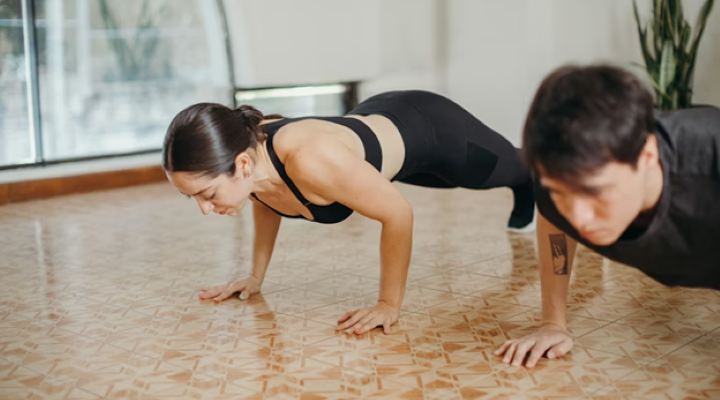
- Examples: increasing push-up reps, gradually adding resistance, or holding a plank longer.
- Prioritize Consistency Over Intensity
- Short, frequent workouts are more effective than occasional extreme sessions.
- Build habits that integrate into your lifestyle.
- Celebrate Effort and Skill, Not Just Results
- Acknowledge completing workouts, improving form, or learning new movements.
- Positive reinforcement builds intrinsic motivation and encourages long-term health.
Focus on Functional Training
Functional training strengthens the body for real-life movements rather than isolated muscle groups. Its benefits include:
- Better balance and coordination
- Core stability for lifting, bending, and twisting
- Enhanced posture and mobility
- Reduced risk of injury during daily activities
Examples of functional training exercises include:
- Squats and lunges for leg strength and stability
- Planks and bridges for core engagement
- Push-pull movements simulating real-life tasks
- Rotational exercises for safe bending and twisting
This type of training ensures that every workout directly improves how your body performs outside the gym.
Mindset Shifts for Long-Term Success
- Value Capability Over Appearance
- Focus on what your body can do, not just how it looks.
- Functional improvements may be subtle but impactful for daily life.
- Replace External Validation With Internal Feedback
- Track improvements in strength, balance, or endurance.
- Notice how daily tasks feel easier over time.
- Accept Non-Linear Progress
- Some days will be stronger than others.
- Persistence and consistency outweigh perfection.
Avoid Common Pitfalls
Even with a life-focused approach, it’s easy to slip into old habits:
- Comparing progress to others online
- Overtraining to impress
- Ignoring recovery, nutrition, or hydration
- Focusing solely on aesthetics
By aligning your fitness goals with sustainable fitness and personal functionality, you reduce injury risk, increase adherence, and improve overall health outcomes.
Recovery: A Key Component
Recovery supports functional training and long-term health:
Key recovery strategies include:
- Sleep: Aim for 7–9 hours per night to support muscle repair, hormone regulation, and mental clarity. Quality sleep enhances performance and aids in long-term health.
- Nutrition: Balanced meals with protein, complex carbohydrates, and healthy fats provide the energy needed for exercise and tissue repair. Post-workout meals rich in protein accelerate muscle recovery and replenish energy stores.
- Hydration: Adequate water intake supports joint function, circulation, and energy levels. Even mild dehydration can impair movement performance and slow recovery.
- Active recovery: Gentle activities like walking, yoga, or mobility drills help reduce muscle soreness, maintain flexibility, and improve circulation. These practices support functional training by keeping your body ready for movement rather than being stagnant.
- Mindful rest: Incorporating stress-reducing activities, such as deep breathing, meditation, or stretching, supports recovery science by calming the nervous system and enhancing overall wellness.
Prioritizing recovery ensures your training is safe, effective, and sustainable.
Benefits of Training for Life
Focusing on sustainable fitness rather than social approval leads to tangible results:
- Improved strength and mobility for daily tasks
- Greater energy for work, family, and recreation
- Lower risk of injury and fatigue
- Enhanced confidence and mental well-being
- Enjoyment of exercise as a lifelong habit
Making Fitness a Lifestyle
Incorporate functional training and sustainable fitness principles into daily routines:
- Practice proper lifting and bending techniques throughout the day
- Take stairs instead of elevators when possible
- Stand and move every hour if you have a desk job
- Add short functional exercises in the morning or evening
Consistency reinforces good habits, making functional strength and mobility exercises automatic.
Take the Next Step
Chasing social approval rarely results in meaningful progress. True fitness is about building a body capable of moving efficiently, staying strong, and supporting long-term health.
Focus on sustainable fitness, functional training, and meaningful fitness goals. Track progress through performance, strength, balance, and energy, rather than likes or followers. Over time, these habits lead to a healthier, stronger, and more confident body.
Take the next step with expert guidance at the National Wellness and Fitness Association. Discover workouts, tips, and strategies to improve your functional performance and make your fitness truly meaningful.