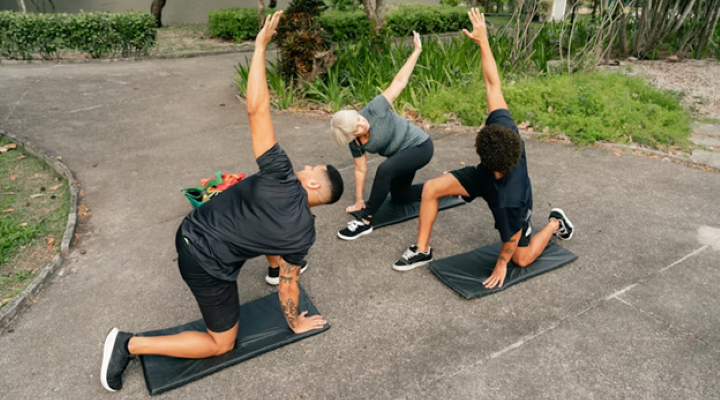
The Movement Skills That Make Daily Life Easier
Every day, your body performs countless movements, reaching, bending, lifting, or climbing, without much thought. Some people move effortlessly, while others struggle with even simple tasks. Developing key movement skills improves daily function, enhances balance, strength, and flexibility, and makes everyday activities easier, safer, and more efficient.
Functional exercises that target strength, coordination, and mobility can transform how your body handles daily tasks without needing complex equipment.
What Are Movement Skills?
Movement skills are basic patterns of motion that your body uses repeatedly throughout the day. These include bending, lifting, pushing, pulling, twisting, and walking with stability. By practicing and strengthening these patterns, you enhance your ability to perform routine activities efficiently.
Key components of functional movement skills include:
- Balance and stability: Maintaining control during standing, walking, or reaching movements.
- Flexibility and mobility: Allowing joints and muscles to move through their full range of motion.
- Strength and coordination: Supporting proper posture and reducing strain on muscles during tasks.
- Body awareness: Understanding how your body moves in space to prevent awkward positions or injuries.
Developing these components ensures that your body performs optimally during everyday tasks, enhancing the outcomes of functional strength and mobility exercises.
Why Movement Skills Matter
Lack of proper movement skills can lead to fatigue, discomfort, or injuries even during simple daily activities. For instance, poor balance may cause falls, limited mobility can make bending or reaching difficult, and weak core muscles may increase back strain during lifting tasks.
Research shows that exercise‑based interventions significantly improve functional movement capabilities, including balance, mobility, coordination, and stability, in untrained adults, meaning targeted movement training helps your body move better and reduces movement dysfunction.
Improving these skills not only makes life easier but also supports overall health:
- Enhanced efficiency in completing daily chores
- Reduced risk of injury from slips, falls, or improper lifting
- Improved posture and core stability
- Increased confidence in performing physical tasks
Essentially, functional movement skills are the foundation for daily function. When you move well, your body works smarter, not harder.
Core Movement Patterns to Practice
Experts often focus on five essential movement patterns that form the backbone of daily activity:
- Squat: Mimics sitting and standing from a chair, picking up objects from the floor.
- Lunge: Improves balance and strengthens legs for climbing stairs or stepping over obstacles.
- Push: Supports actions like opening doors, pushing carts, or lifting light objects overhead.
- Pull: Helps with tasks like carrying groceries, opening drawers, or pulling a suitcase.
- Rotation and Twist: Allows safe turning, reaching, or carrying items while maintaining spinal alignment.
Incorporating exercises targeting these patterns enhances mobility exercises and overall functional strength, making everyday movements smoother and safer.
Exercises to Improve Daily Movement Skills
You do not need complex equipment to build functional movement skills. Here are simple exercises that translate directly to daily life:
- Bodyweight squats: Strengthen legs and core while teaching proper hip and knee alignment.
- Step-ups: Improve balance, leg strength, and coordination for stair climbing.
- Planks and side planks: Build core stability to support lifting and bending tasks.
- Rows with resistance bands: Strengthen the upper back and shoulders for pulling movements.
- Torso twists: Enhance rotational mobility to reach and carry objects safely.
Performing these exercises consistently, even for 15–20 minutes a day, can significantly improve daily function, mobility, and functional strength.
The Role of Balance and Stability
Balance is a key part of movement skills. Daily tasks often involve uneven surfaces or reaching positions that challenge your equilibrium. Improving stability reduces the risk of falls and allows confident movement in any situation.
Some practical tips for balance improvement include:
- Standing on one leg while brushing your teeth or cooking
- Using a balance board or stability ball for short sessions
- Practicing heel-to-toe walking along a hallway
- Engaging the core in all exercises to support spinal alignment
Improved balance supports all mobility exercises and strengthens muscles critical to everyday activities.
How Flexibility Enhances Daily Function
Flexibility and mobility exercises ensure that joints and muscles can move through their full range without restriction. Limited flexibility can make simple movements, such as bending to tie shoes, reaching high shelves, or stepping into a car, uncomfortable.
Daily flexibility routines could include:
- Gentle hip openers to improve squatting and walking
- Shoulder stretches for reaching and lifting tasks
- Cat-cow stretches for spinal mobility
- Calf and hamstring stretches for improved walking and stair climbing
Enhanced flexibility supports better functional strength, reducing strain during lifting, twisting, or bending.
Strength for Everyday Tasks
Strength is critical for functional movement skills. It supports posture, joint integrity, and endurance for daily chores. The goal is not to lift maximum weight but to build muscles that assist in real-world tasks.
Key areas to focus on:
- Core strength for bending, lifting, and twisting safely
- Leg strength for squats, lunges, and stair climbing
- Upper body strength for pushing, pulling, and carrying
Simple exercises like bodyweight squats, push-ups, and resistance-band rows build muscles that directly improve daily function.
Recovery and Consistency
Even when focusing on basic movement skills, recovery is essential. Muscles, joints, and the nervous system need time to adapt. Proper sleep, hydration, and active recovery exercises, such as gentle stretching or walking, ensure continued progress in mobility and functional performance.
Consistency is key. Practicing movement patterns daily, even for short periods, helps reinforce good habits and makes them automatic.
Making Movement Skills a Lifestyle
The goal is to integrate these skills into your life naturally:
- Use proper lifting and bending techniques throughout the day
- Take the stairs instead of the elevator
- Stand up and move every hour if you have a desk job
- Add short functional exercises to your morning or evening routine
When movement skills become a habit, daily function improves, energy levels rise, and the risk of injuries decreases.
Final Thoughts
Improving your movement skills is one of the most practical ways to make everyday life easier and safer. Focusing on balance, mobility, strength, and coordination enhances functional strength, supports mobility exercises, and prepares your body for daily challenges.
Developing these skills is not about spending hours in the gym; it’s about consistent practice that translates directly into real-life efficiency. Every step, squat, push, or twist becomes easier, allowing you to move confidently and independently.
Take the next step to strengthen your movement skills and improve your daily function. Explore expert guidance and functional fitness strategies at the National Wellness and Fitness Association (NWFA).